
Ear of the
Heart
Reflections, guidance, and gentle stories for listening deeply — to yourself, your loved ones, and the world around you.

Reiki for the Caregiver’s Heart: Restoring Balance and Peace
Caregiving, whether for an aging parent, a partner, a child, a beloved animal, or someone at the end of life, asks a great deal of the heart. It is often done quietly, consistently, and without recognition. Over time, even the most loving caregivers can feel depleted, emotionally raw, or disconnected from themselves…
Understanding Doggie Dementia: Supporting Your Senior Dog with Love and Patience
As our dogs age, the changes we notice aren’t always physical. Sometimes the shifts are quieter, more confusing, and harder to name. A dog who once knew every corner of the house may suddenly seem lost. A reliable routine might unravel. Sleep patterns change. Anxiety creeps in…

What We Carry into the New Year: A Reflection on Loss, Love, and Letting Go
The turning of the year invites both memory and hope. We pause between what has been and what is still unfolding, that thin space where reflection meets renewal… As you cross into a new year, may you honor what you’ve lived through, keep the memories that still shine, and let go of what no longer serves you. Be gentle with yourself. Grief and growth move in circles, not straight lines.
Sacred Ordinary: How Everyday Moments Become Meaningful
The Sacred Ordinary is the practice of recognizing that everything—washing dishes, walking the dog, holding a loved one’s hand—can become a spiritual act when we slow down and pay attention.
It’s not about doing more. It’s about noticing more.
When we attend to the smallest details of daily life with presence, gratitude, and love, we begin to sense that the sacred isn’t somewhere else, it’s right here.

Clear and Kind: Tips for Explaining Complex Information in Simple English
If you work with English-speaking expats in healthcare, veterinary care, caregiving, or hospitality, you’ve probably been in this situation: You’re trying to explain something important—a medical process, a care routine, or a safety rule—but your words feel too technical, too formal, or too long.
You remember what we talked about in the last post: staying calm when you can’t find the right word. This is the next step, learning how to share complex information simply and kindly so your meaning comes through clearly, even when English isn’t your first language.
Finding Stillness: Simple Spiritual Practices for the Holiday Season
The holiday season brings so much beauty—twinkling lights, favorite songs, reunions, and rituals. Yet for many of us, it also brings noise, stress, and a quiet longing for peace. Between busy schedules, expectations, and tender emotions, December can feel like a swirl of both joy and exhaustion.
Stillness is not something we wait for. It’s something we create, a sacred pause we enter intentionally, even for just a few breaths at a time.

How to Stay Calm When You Can’t Find the Right English Word
If you work with English-speaking expats in healthcare, caregiving, veterinary services, or hospitality, you’ve probably had this moment: You’re mid-conversation and everything’s going well then, suddenly, your mind goes blank. The right English word is right there, but it won’t come. Your heart races. You start worrying that you’ll sound unprofessional or that your client will lose confidence in you.
Take a deep breath. This happens to everyone (even native English speakers!). Forgetting a word doesn’t mean you don’t know English. It just means your brain is processing under pressure.
An End-of-Year Reflection: Living with Death in Mind
To live with death in mind is not to dwell on sorrow, but to live with deeper awareness, to recognize that every moment, every relationship, and every heartbeat exists within a greater cycle of becoming, ending, and beginning again.
Helping Children Cope with the Death of a Pet
For many children, the death of a beloved pet is their first experience with loss. It can be confusing and painful, even frightening. Yet, with gentle guidance, honesty, and inclusion, these moments can also become powerful lessons in love, empathy, and the cycles of life.

How to Be a Gentle Advocate: Speaking Up Without Overstepping
For many people, especially those learning or working in English, speaking up can feel risky. Will I sound rude? Will I use the wrong word? Will I offend someone? These are real fears, and they make gentle advocacy even more important.
Words That Comfort: How to Talk to Someone Who Is Grieving
Grief is not limited to death. It is the echo of love and longing wherever something precious has changed or slipped away.

What Does It Mean to Die Well?
The phrase “dying well” can stir up many different feelings. Some may imagine a peaceful passing surrounded by loved ones. Others may think of dying without pain, with dignity, or in a way that honors their faith or values. But the truth is, there isn’t a single definition of what it means to die well.

How Reiki Can Help Your Aging Dog
As our dogs grow older, their needs change. They may slow down, develop stiffness, or struggle with health challenges like arthritis, heart disease, or anxiety. As guardians, we want to give them comfort and care in every stage of life. One gentle and supportive option is Reiki—a holistic practice that can bring relaxation and balance to both pets and their humans.

Writing Your Own Legacy Letter for End-of-Life Planning & Support
A legacy letter (sometimes called an ethical will) is your chance to speak from the heart, to leave behind not only instructions, but love, wisdom, and memory. It’s a way of saying: “This is who I was, what I valued, and what I hope for you.”

You’re Not “Bad at English”: You’re a Whole Human Learning a New Language
Many English learners describe themselves with a sigh: “I’m bad at English.” Maybe you’ve said this, too. But let’s pause here, because you are not bad at English. You’re a whole human being learning something new, and that’s powerful.
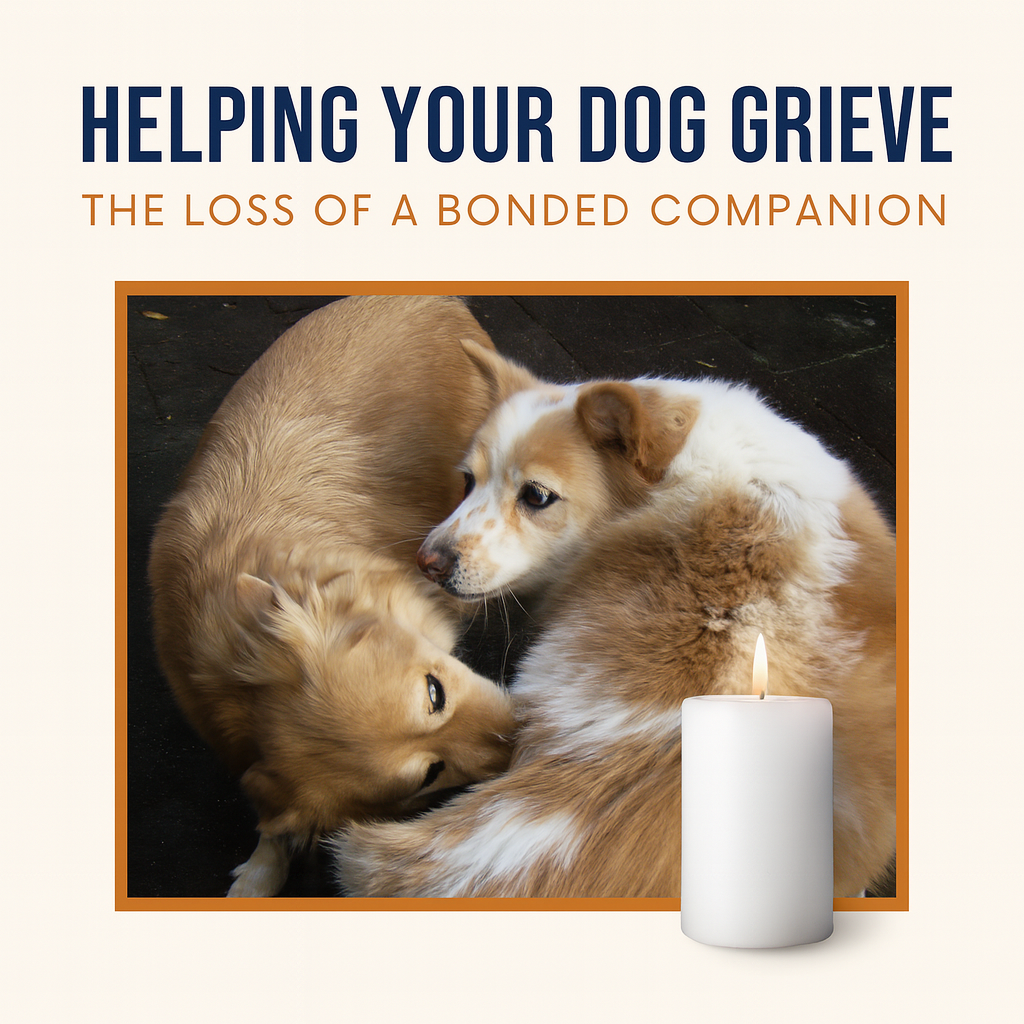
Helping Your Dog Grieve the Loss of a Bonded Companion
Just like us, dogs experience loss in their own way. While they don’t understand death in human terms, they do notice the sudden change, the missing routine, and the absence of their companion’s scent, sound, and presence. Your dog may search, wait by doors, or appear restless in places where their friend used to be. This is a natural response, and with time and gentle support, most dogs gradually adjust.
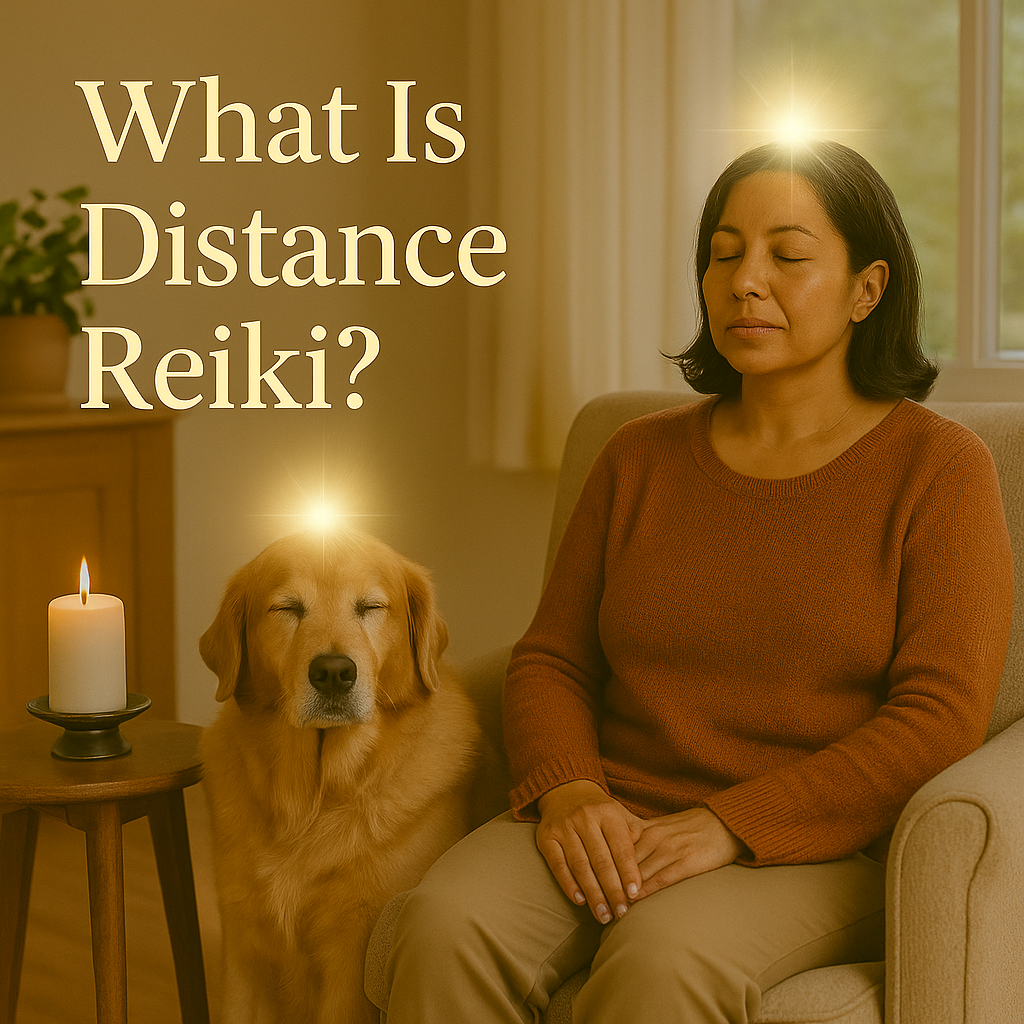
What Is Distance Reiki and How Does It Work for People and Animals?
One of the most beautiful aspects of Reiki is that it isn’t limited by time or space. Because universal life force energy flows beyond the physical boundaries we normally think of, it can be shared across miles, whether a loved one is in another room, another city, or another country.

Is It Okay to Question Everything?
Spiritual direction is the ancient practice of intentionally exploring your inner life in the presence of a compassionate, nonjudgmental listener. The goal isn’t to fix anything or give you answers. It’s to create space to notice where and how the sacred is showing up in your life, and how you might respond.

How to Start the Conversation About Your End-of-Life Wishes
Talking about death isn't easy. But talking about what matters to you before you reach the end of life is one of the most loving things you can do for yourself, and for those who care about you

Why Losing a Pet Hurts So Much
If you’ve ever lost a beloved animal companion, you know the depth of that grief. It can be overwhelming, disorienting, and lasting. And yet, in a society that often downplays or misunderstands pet loss, it’s easy to feel like you must minimize your pain or move on before you’re ready.
But the truth is simple and profound… Losing a pet hurts so much because the love runs so deep. And that love is unlike anything else in our lives.